Rubber to substrate bonding is one of the most critical processes in modern manufacturing, especially for components that must withstand extreme stress, vibration, and environmental exposure. At its core, this method creates a permanent chemical and mechanical bond between an elastomer and a metal, plastic, or composite surface. When done correctly, the result is a unified part that delivers superior performance compared to traditional mechanical fastening.
The bonding process begins with substrate preparation. Any contamination on the metal or plastic surface—from oils, moisture, or oxidation—can weaken the bond. That’s why manufacturing teams use specialized cleaning, grit blasting, and surface activation techniques to ensure the substrate is chemically ready to accept a bonding agent. This step is not optional; it is foundational to long-term reliability.
Once prepared, the substrate is coated with a bonding adhesive system. These systems often include both a primer and a topcoat to maximize adhesion and heat resistance. The optimal adhesive is selected based on the elastomer formulation, part geometry, and the environmental conditions the final product will face. Temp extremes, chemicals, and dynamic loads all influence adhesive chemistry.
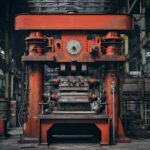
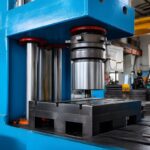
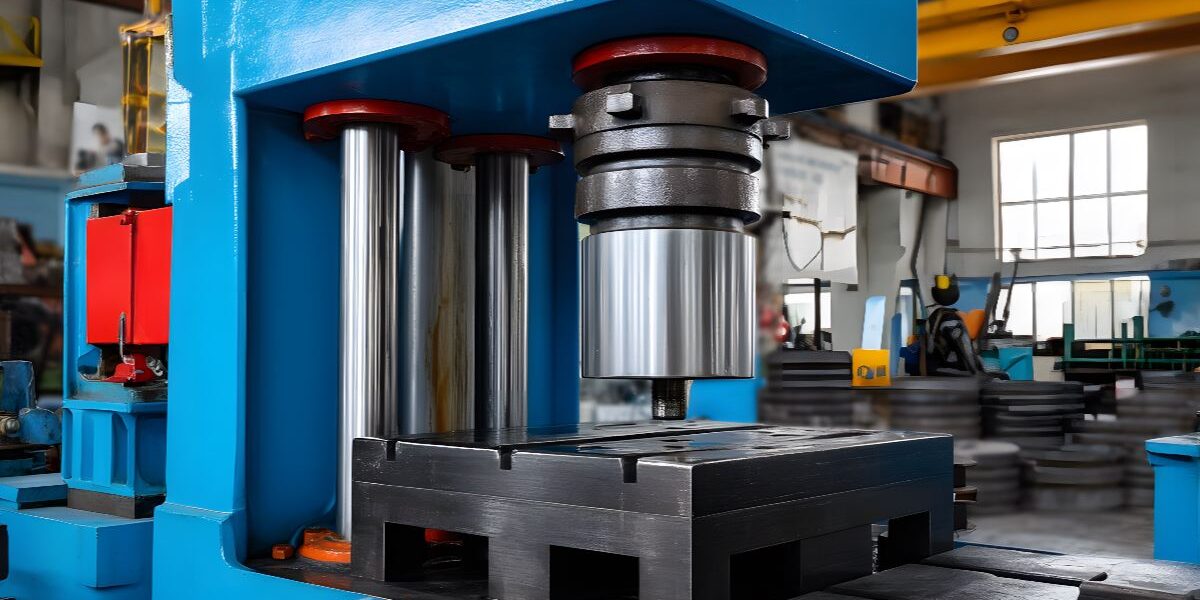
During molding, the elastomer is applied under heat and pressure. This causes a cross-linking reaction that ties the rubber’s polymer chains directly into the adhesive layer. As the rubber cures, the chemical bond becomes permanent, effectively welding the rubber to the substrate at a molecular level. The result is far more durable than glues or mechanical connectors.
Industries such as automotive, oil and gas, heavy equipment, and industrial machinery rely heavily on rubber-to-substrate bonding to solve vibration, sealing, and durability challenges. When designed and executed properly, bonded components deliver extended service life and superior performance even in the harshest environments.