

Collaborative Engineering & Material Science
Where Material Science Meets Engineering
Solve complex elastomer challenges with engineering support built around your application. NIALTI works alongside customer teams to connect material selection, component design, manufacturability, testing, and production from early development through final manufacturing.
Engineering Collaboration From Concept to Production
Successful elastomer components begin with a clear understanding of how the part needs to perform. Material properties, geometry, loading, environmental exposure, equipment interfaces, and manufacturing requirements all influence the final solution.
NIALTI collaborates with engineering and product-development teams to evaluate these requirements together. Whether developing a new component, improving an existing design, or addressing a performance challenge, the process connects material science with practical manufacturing considerations.
The result is a development approach focused not only on how a component is designed, but how it will perform, be validated, and move into repeatable production.
Engineering Expertise Built Into the Process
Early collaboration helps connect component performance with material selection and manufacturability before a project reaches production.
Application-Driven Development
Begin with the actual operating environment, equipment, component function, and performance requirements.
Material Selection Support
Evaluate elastomer requirements around exposure, loading, movement, wear, hardness, and other application needs.
Design Collaboration
Work through geometry, interfaces, dimensions, substrates, and functional requirements alongside the customer’s engineering team.
Design for Manufacturability
Consider tooling, molding, bonding, material behavior, and production requirements during component development.
Performance Problem Solving
Review existing components and application challenges to identify opportunities for material, design, or manufacturing improvements.
Production-Focused Development
Connect early engineering decisions with tooling, testing, quality, and repeatable manufacturing requirements.
Engineering Support Across Demanding Industries
NIALTI adapts its engineering and material-development approach around the unique operating conditions, performance requirements, and manufacturing needs of each market.
Oil & Gas
High-performance bonded and molded components engineered to withstand extreme pressure, temperature, and corrosive environments common in upstream and midstream operations.

Aerospace and Defense
High-performance elastomer solutions engineered for extreme environments, critical sealing, vibration control, and long-term reliability in aerospace and defense applications.
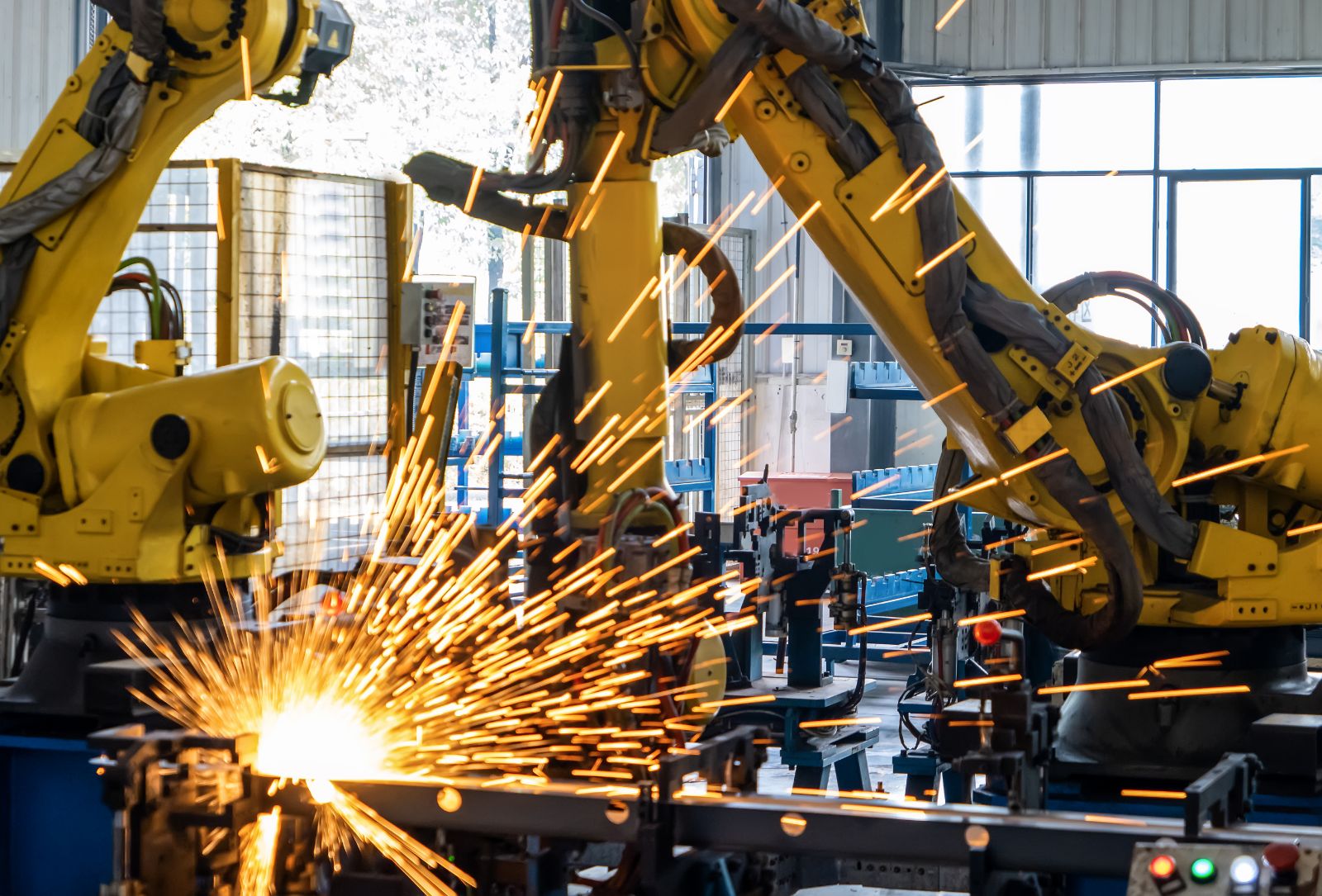
Industrial Manufacturing
Durable elastomer solutions designed for heavy machinery, automation systems, and equipment requiring long-lasting performance and vibration resistance.
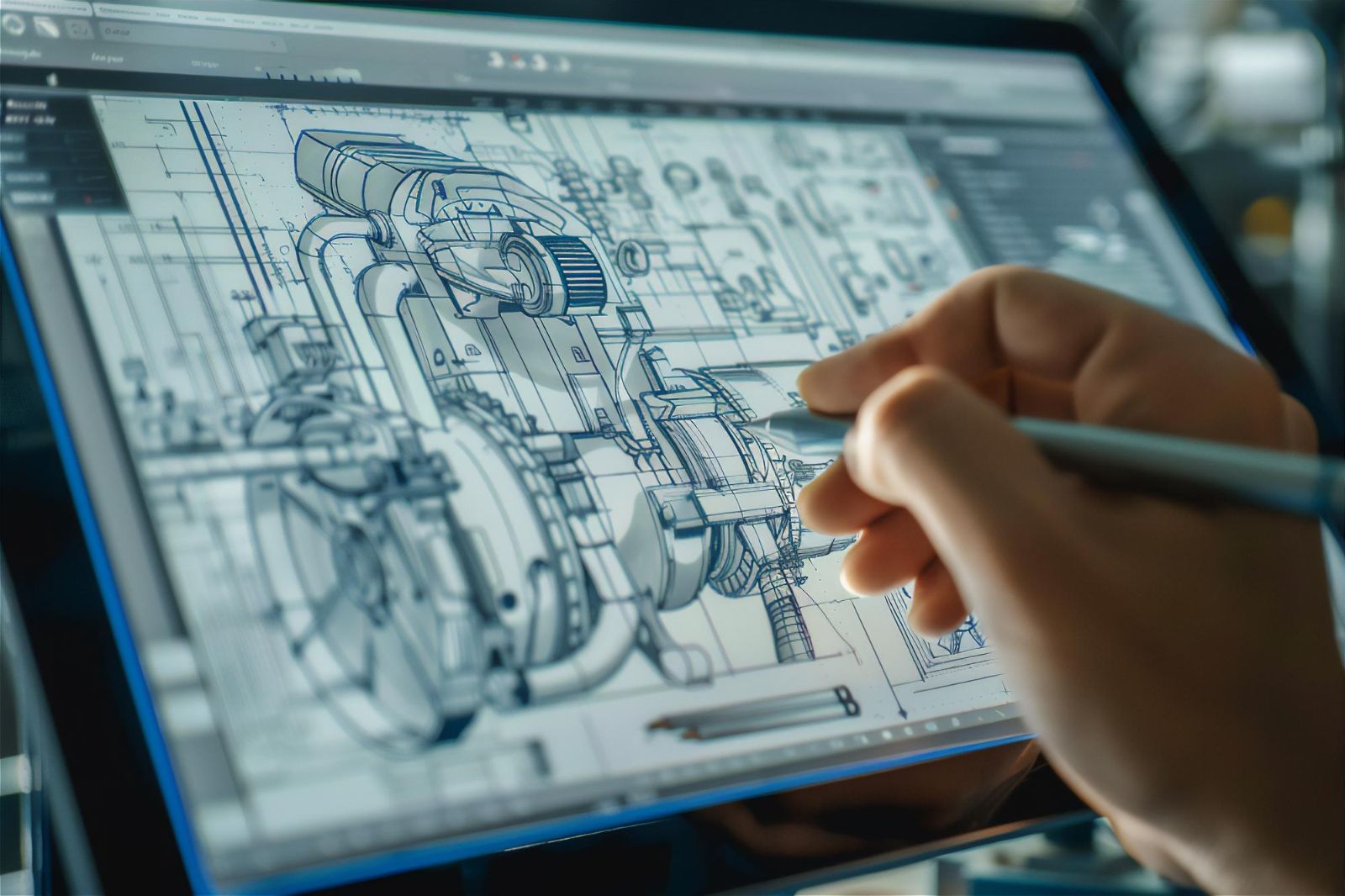
OEM Engineering
Custom-engineered components tailored to meet exact specifications, supporting product development, reliability testing, and full-scale production.

Products & Components
NIALTI's engineering and material expertise supports the development of custom elastomer components where standard materials or off-the-shelf designs may not meet the application's requirements.
Custom Molded Components
Wheels & Casters
Rollers
Bushings & Mounts
Pads & Bumpers
Bonded Components
Material Selection Starts With the Application
There is no single elastomer solution for every application. Material requirements should be evaluated around the complete operating environment, component function, and expected performance.
- Temperature conditions
- Oil and chemical exposure
- Abrasion and wear
- Indoor or outdoor use
- Environmental exposure
- Expected service conditions
- Hardness
- Loading
- Repeated movement
- Vibration and impact
- Dimensional requirements
- Component geometry
- Equipment interfaces
For bonded components, elastomer and substrate requirements should be evaluated together. Substrate material, geometry, surface conditions, bonding requirements, loading, and the operating environment can all influence component development.
Specific elastomer families, hardness ranges, temperature limits, compatibility data, and other technical specifications should be added once confirmed with NIALTI.
Have a Component That Isn’t Performing as Expected?
Bring NIALTI your application, existing component, drawing, or performance challenge. Our team can help evaluate the materials, design, and manufacturing requirements behind the problem.
A Collaborative Path From Challenge to Production
NIALTI works alongside customer teams throughout development, connecting application requirements with materials, component design, validation, and manufacturing.
1
Application Review
Understand the equipment, component function, environment, and project objectives.
2
Performance Analysis
Identify loading, movement, exposure, dimensional, wear, and functional requirements.
3
Material Selection
Evaluate elastomer and substrate requirements around the intended application.
4
Design for Manufacturability
Review component geometry, interfaces, molding or bonding requirements, and production considerations.
5
Tooling
Develop tooling appropriate for the approved component design and manufacturing process.
6
Prototyping
Produce development components where required for evaluation and refinement.
7
Production
Transition the validated solution into repeatable manufacturing.
8
Quality Validation
Support consistent production through appropriate quality and validation processes.
Related Manufacturing Capabilities
Rubber-to-Substrate Bonding
We specialize in bonding elastomers to metals and engineered substrates with extreme durability and reliability.
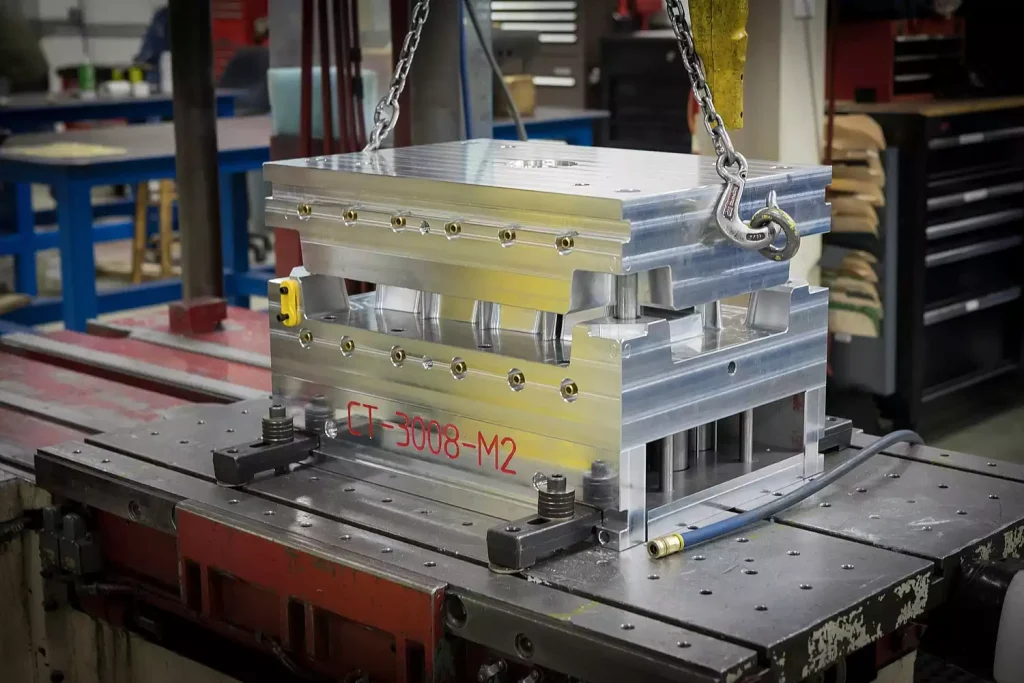
Advanced Elastomer Molding
We deliver molded components that meet exacting standards for size, geometry, and performance.
Well Control Solutions
Nialti engineers high-performance BOP replacement rubber that outperforms the behemoths in the world’s most demanding environments.
Engineering & Material Science FAQs
NIALTI can collaborate early in development when materials, geometry, manufacturability, tooling, and performance requirements are still being evaluated.
Yes. Material requirements can be evaluated around factors such as operating environment, loading, movement, wear, temperature, chemical exposure, hardness, and expected performance.
Yes. Existing drawings, samples, specifications, application conditions, and performance concerns can be reviewed to help identify potential material, design, or manufacturing considerations.
Yes. The collaborative development approach is designed to connect NIALTI’s elastomer and manufacturing expertise with the customer’s engineering and product-development requirements.
Material requirements can be evaluated around the specific application. The appropriate approach depends on the required properties, operating conditions, component design, and manufacturing needs.
Yes. Component geometry, materials, tooling, molding or bonding requirements, and production considerations can be evaluated as part of the development process.
Prototyping can be incorporated where appropriate based on the component, tooling, testing, and validation requirements.
Provide available drawings or models, samples, current materials, application details, operating conditions, performance requirements, known challenges, and anticipated production needs.
"*" indicates required fields
Bring Us Your Engineering Challenge
Developing a new component or solving an existing performance issue? Share your application requirements with NIALTI and start a conversation about materials, design, testing, and manufacturing.