

Nialti Manufacturing

Complex Rubber-to-Substrate Bonding

Redefining Possibilities.

Custom Elastomer Components for Oil & Gas Applications

Create integrated components that combine elastomer performance with a supporting substrate. NIALTI works with customers to develop bonded components around application requirements, material compatibility, component geometry, and repeatable manufacturing.

Integrated Components Built for the Application

Rubber-to-substrate bonding combines elastomer materials with another component or substrate to create a unified part. This approach can support complex component designs while reducing the need for separate parts or additional assembly operations.

NIALTI approaches each bonded component around its complete application, considering the elastomer, substrate, geometry, operating conditions, manufacturing requirements, and expected performance together.

From initial application review through tooling and production, the goal is to develop a bonded component that can be manufactured consistently around the requirements of the finished assembly.

Why Use Rubber-to-Substrate Bonding?

Integrating elastomer and substrate materials into a single component can provide both design and manufacturing advantages.

Integrated Construction

Combine elastomer and substrate materials into a unified component designed around the application.

Reduced Part Count

Integrated construction may eliminate the need for multiple separate components within an assembly.

Fewer Assembly Steps

Bonded components can reduce secondary assembly operations where separate parts would otherwise need to be joined.

Application-Specific Performance

Material and component construction can be evaluated around the actual operating requirements.

Complex Component Designs

Bonding can support geometries and component configurations that require multiple materials to work together.

Repeatable Production

Tooling and manufacturing processes can be developed to support consistent production of the finished component.

Rubber-to-Substrate Bonding Across Industries

Bonded elastomer components can be developed for different applications by adapting the materials, geometry, substrate, and manufacturing approach to the needs of each industry.

Oil & Gas

High-performance bonded and molded components engineered to withstand extreme pressure, temperature, and corrosive environments common in upstream and midstream operations.

Aerospace and Defense

High-performance elastomer solutions engineered for extreme environments, critical sealing, vibration control, and long-term reliability in aerospace and defense applications.
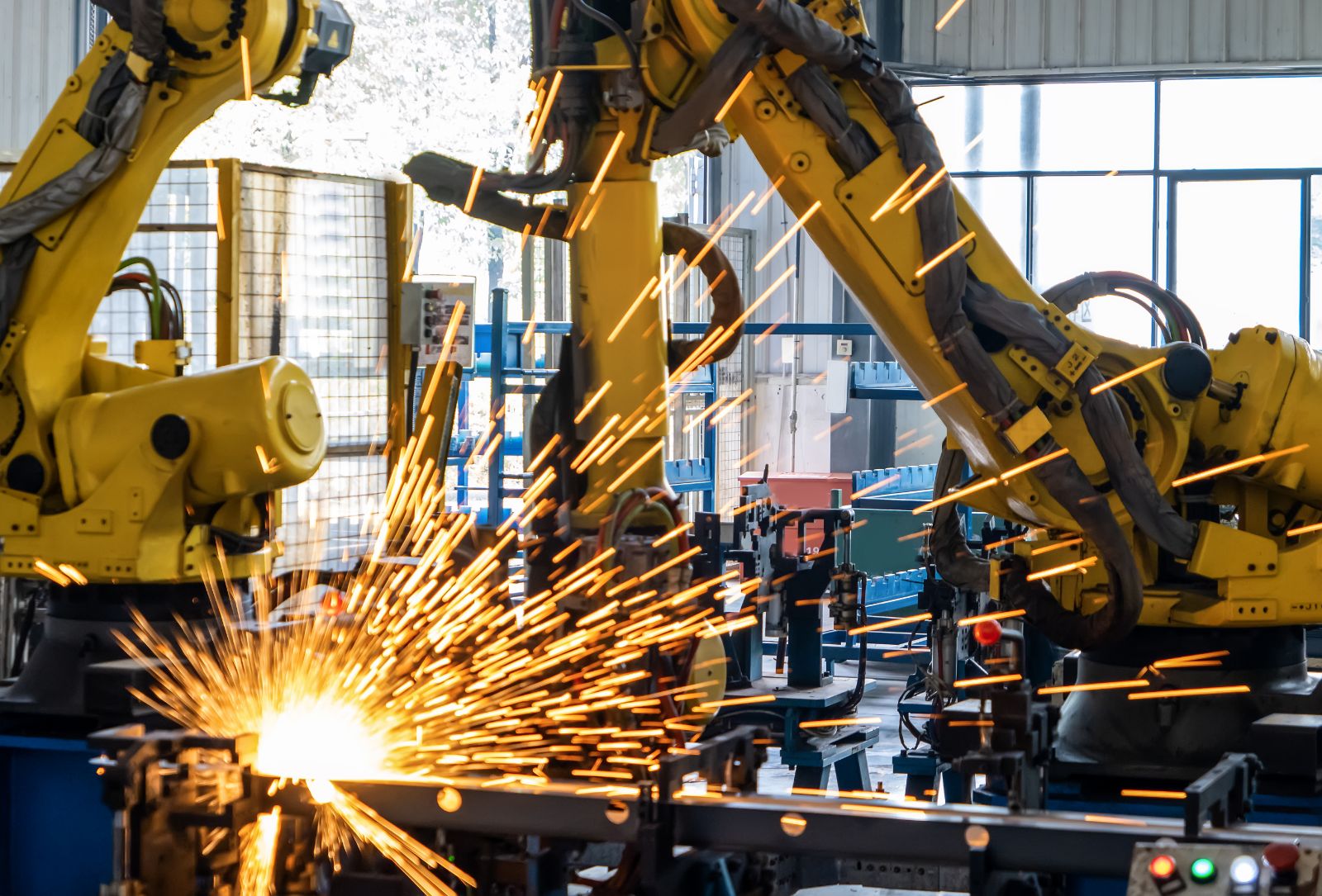
Industrial Manufacturing

Durable elastomer solutions designed for heavy machinery, automation systems, and equipment requiring long-lasting performance and vibration resistance.
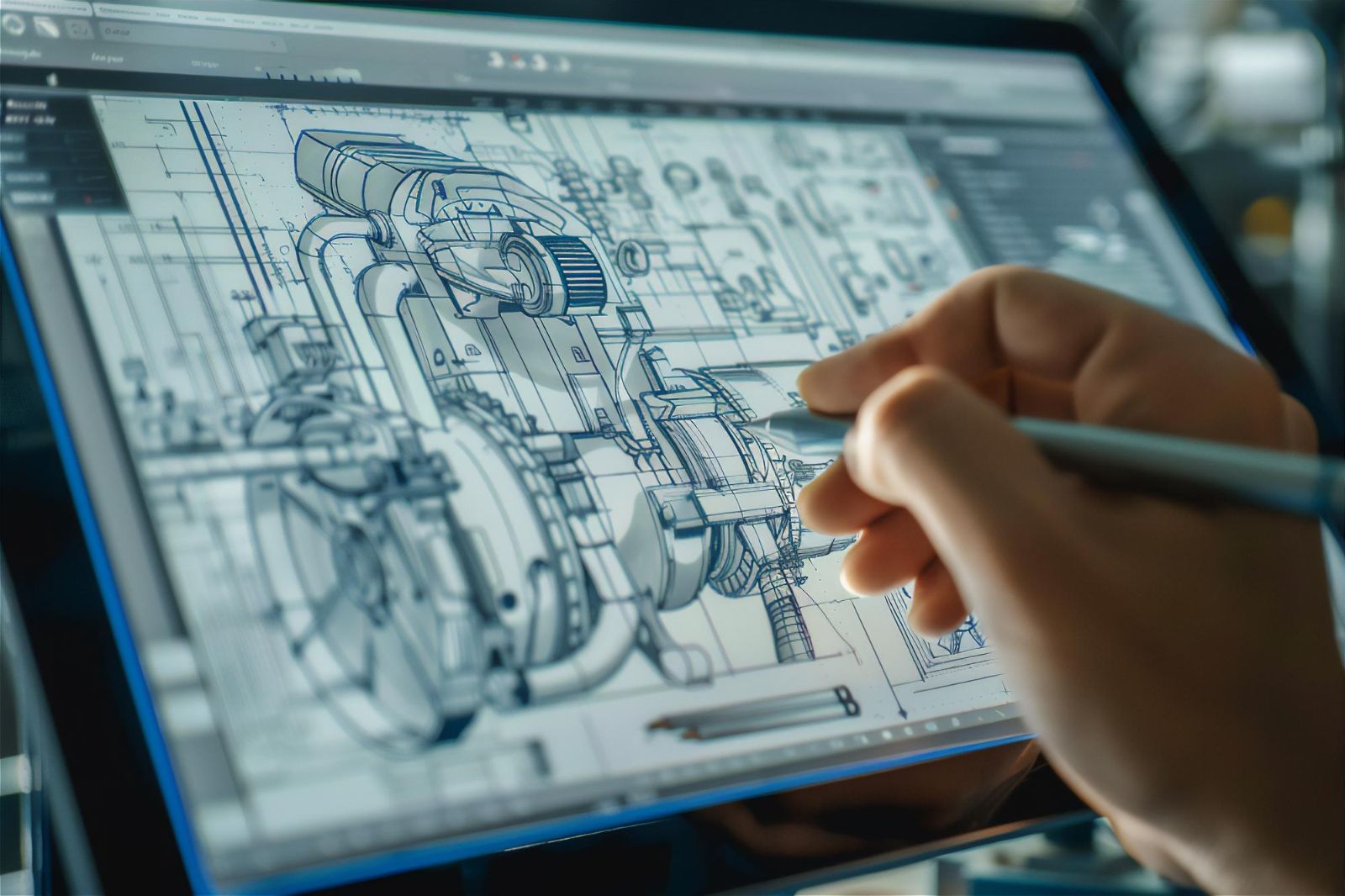
OEM Engineering

Custom-engineered components tailored to meet exact specifications, supporting product development, reliability testing, and full-scale production.

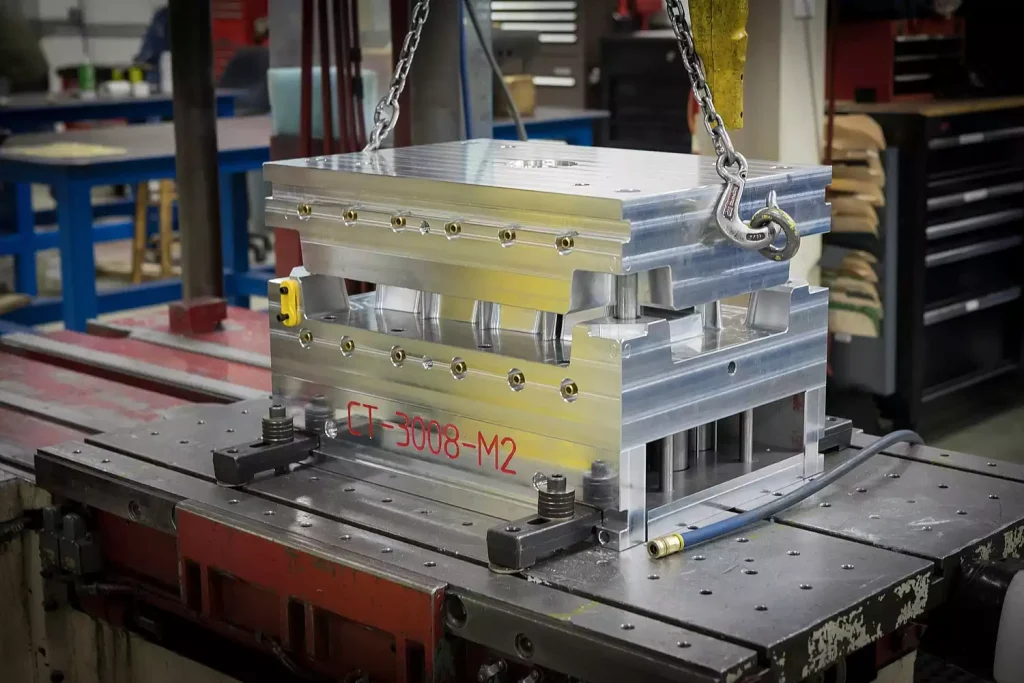
Products & Components

NIALTI's rubber-to-substrate bonding capabilities can support a range of custom components where elastomer and supporting materials need to function together as one integrated part.

Bonded Wheels
Custom wheel constructions combining elastomer performance with a supporting hub or substrate.
Rollers
Bonded elastomer rollers developed around equipment, movement, wear, and application requirements.
Bushings
Integrated elastomer and substrate components for equipment interfaces and application-specific movement requirements.
Mounts
Custom bonded mounts developed around the geometry and performance needs of the equipment.
Pads & Bumpers
Custom molded components for equipment protection, contact management, impact-related applications, and load distribution.
Custom Bonded Assemblies
Application-specific multi-material components developed around unique equipment and product requirements.

Materials & Substrate Considerations

Successful bonding starts with understanding how the elastomer, substrate, component design, and operating environment interact. Material combinations should be evaluated according to the requirements of the specific application.

Elastomer Considerations
  • Application environment
  • Hardness requirements
  • Wear requirements
  • Temperature conditions
  • Chemical exposure
  • Required component performance
Substrate Considerations
  • Metals
  • Plastics
  • Customer-supplied inserts
  • Component geometry
  • Surface and finish requirements
  • Compatibility with the bonding process

Have a Component That Requires Multiple Materials?

Share your application, existing component, drawing, or performance requirements with NIALTI to explore whether rubber-to-substrate bonding is the right manufacturing approach.

From Application Review to Production

NIALTI works collaboratively through the development process to connect application requirements with materials, component design, tooling, manufacturing, and quality.

Related Manufacturing Capabilities

Advanced Elastomer Molding

We deliver molded components that meet exacting standards for size, geometry, and performance.

Custom Engineering Solutions

Our engineers work as an extension of your team, helping transform concepts into production-ready components.

Well Control Solutions

Nialti engineers high-performance BOP replacement rubber that outperforms the behemoths in the world’s most demanding environments.

Rubber-to-Substrate Bonding FAQs

What types of elastomer components can NIALTI manufacture for oil and gas applications?

It is a manufacturing approach that combines an elastomer with another substrate or component to create an integrated finished part.

What types of substrates can be bonded to rubber?

Potential substrates include metals, plastics, and customer-supplied inserts. The appropriate combination depends on the component and application requirements.

What types of components can be produced?

Applications may include bonded wheels, rollers, bushings, mounts, pads, bumpers, and other custom multi-material components.

Can NIALTI work with an existing component design?

Yes. Existing drawings, samples, application information, and performance requirements can provide a starting point for reviewing a component.

Can NIALTI help select materials?

Material requirements can be evaluated as part of the development process based on the application, operating environment, and required performance.

Can prototypes be produced before full production?

Prototyping can be incorporated where appropriate based on the component, tooling, testing, and project requirements.

What information should I provide for a quote?

Provide available drawings, component dimensions, materials or substrates, application details, performance requirements, expected quantities, and supporting technical information.

"*" indicates required fields

Name*
Max. file size: 50 MB.

Start a Custom Bonding Project

Have a bonded component, existing design, or new application to discuss? Share your project requirements with NIALTI and start a conversation about materials, component development, and manufacturing.